Auchmar Estate
The Future of Auchmar Estate
Auchmar Estate is a large property with a storied history located on Hamilton Mountain at 88 Fennel Avenue near Mohawk College and St Joseph's Healthcare. In 1999, the City of Hamilton became the owner of the estate.
The City of Hamilton is currently developing a plan for the future of this unique property. For updates and more information about the Estate Redevelopment Plan, please visit our Engage Hamilton page.
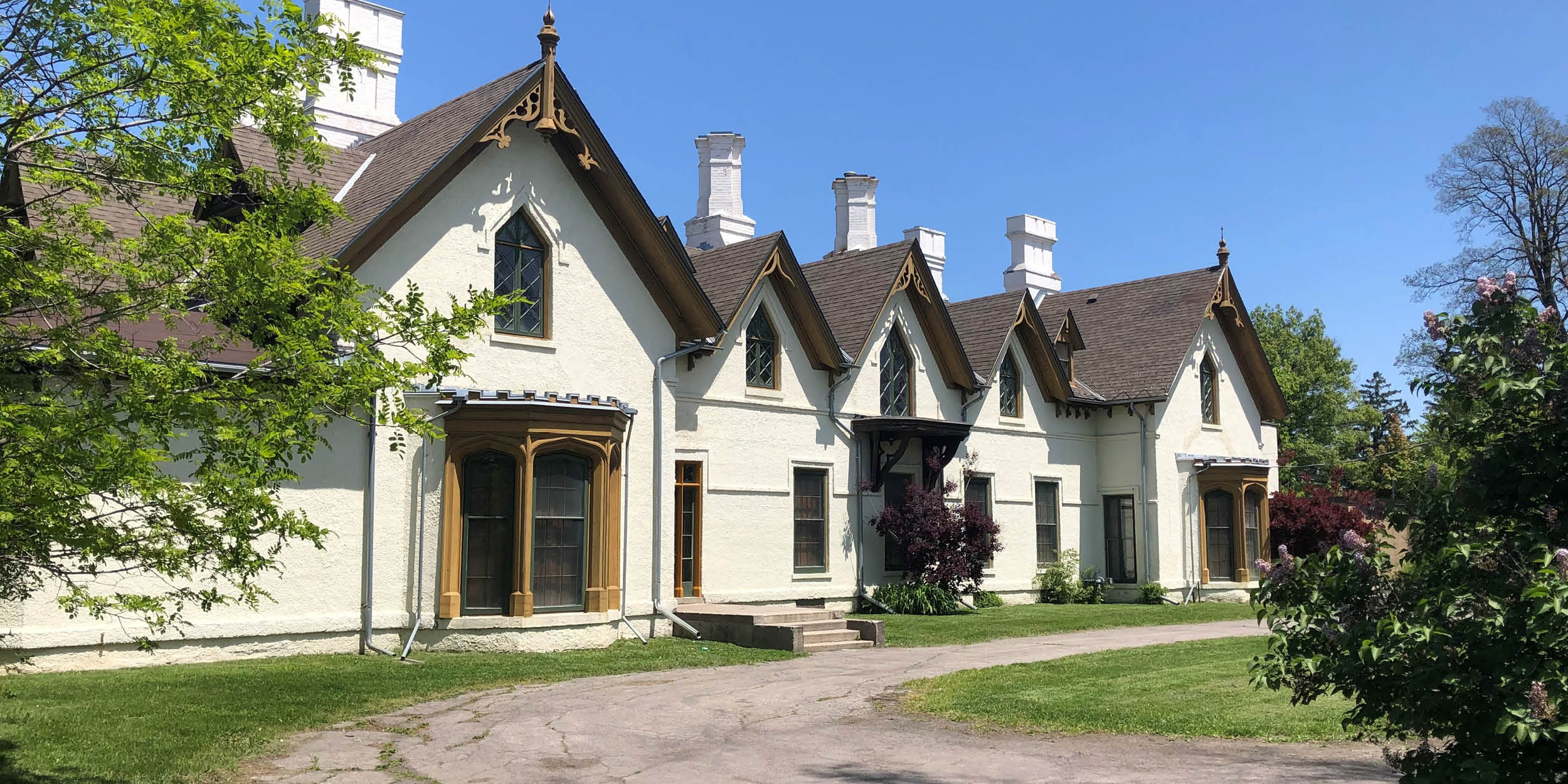
Isaac Buchanan 1852 – 1881
Auchmar was created as the country estate of Isaac Buchanan, one of Hamilton's most prominent merchants, politicians and civic leaders in the 19th century. Born in Scotland in 1810, Buchanan came to Canada as a young man and built a successful career in the wholesale trade before establishing himself in Hamilton. He was involved in the city's commercial and political life, helped promote the development of the Great Western Railway, served as a Member of Parliament, and became an influential voice on Canadian economic policy.
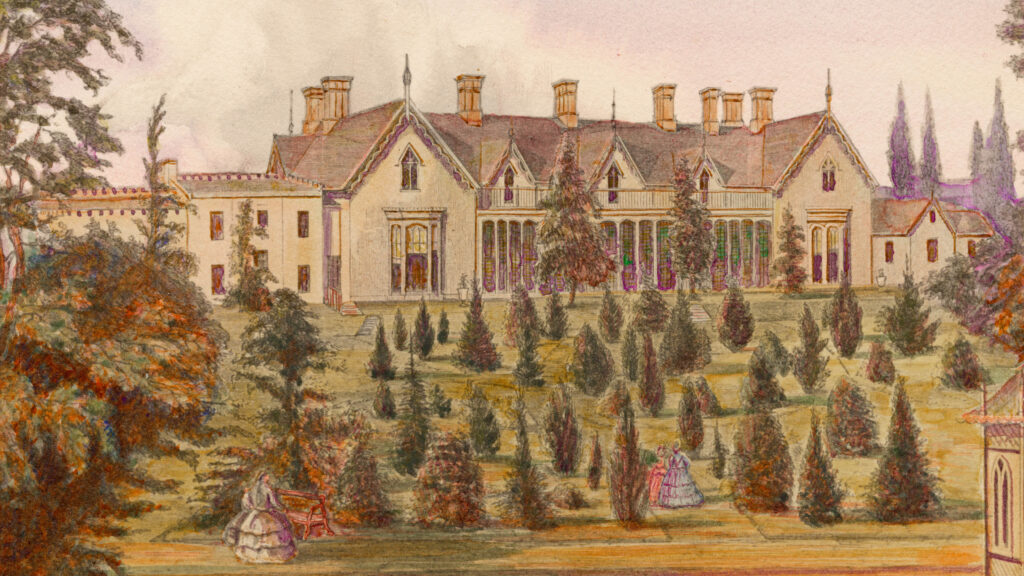
In 1852, Buchanan purchased 86 acres of land on the escarpment and began developing a large estate he called Clairmont Park. At its centre stood Auchmar, completed in 1854 and named after the Buchanan family estate on Loch Lomond, Scotland. Here, Buchanan and his wife Agnes raised their family and occasionally entertained an impressive circle of political and social figures.
Auchmar was more than a private residence. Buchanan used his wealth, connections and home to participate in the civic life of a rapidly growing city. In 1859, he opened the grounds of Auchmar to Hamilton's Black community for an Emancipation Day celebration, foreshadowing Auchmar's future as a place of community and care.
After a series of financial difficulties, Isaac Buchanan eventually listed Auchmar for sale in the 1880s, passing it to a new resident.
To learn more about the home built for the Buchanan family, check out our blog post on the historic details of the house.
-->
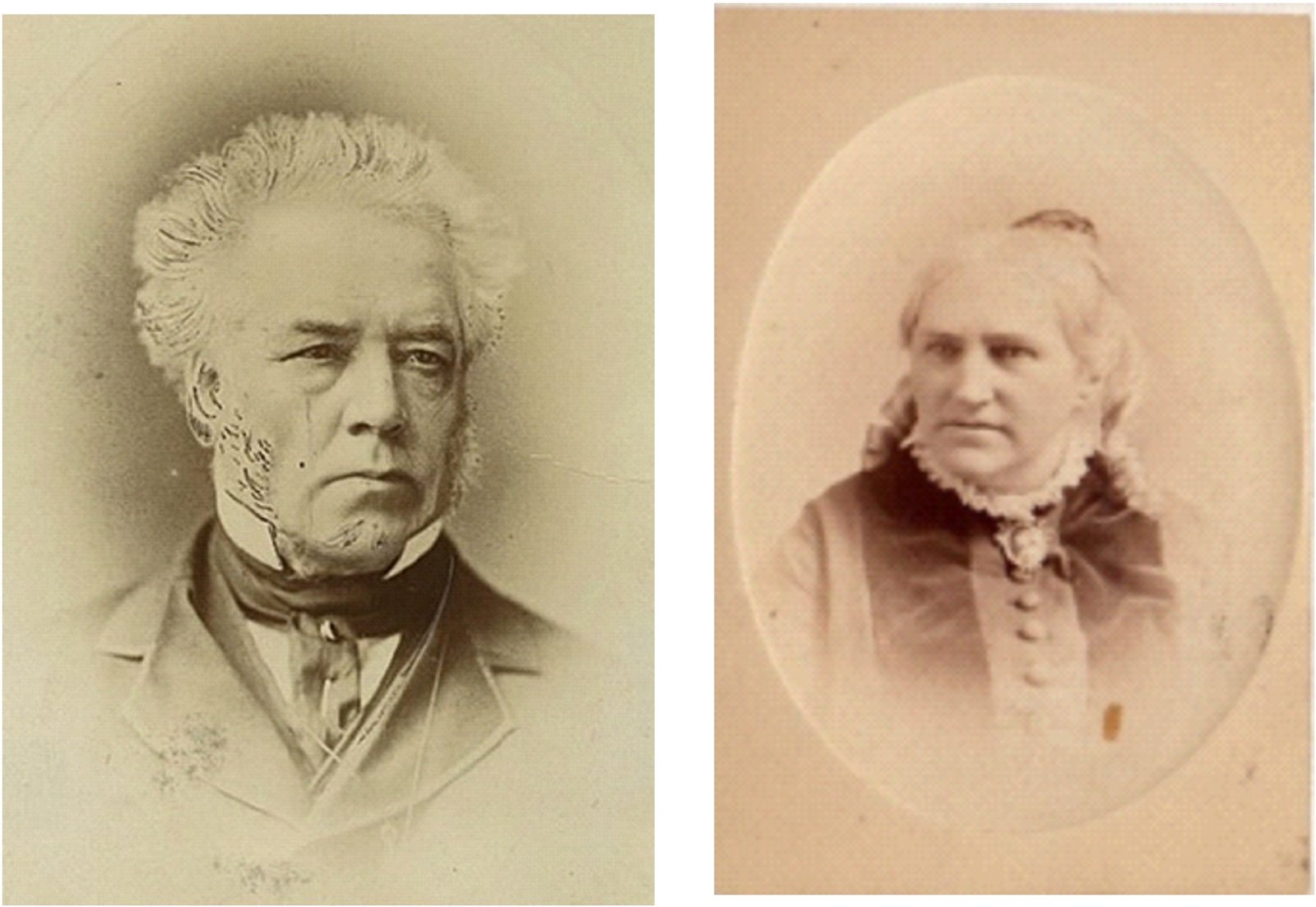
Captain Alfred Trigge 1881 – 1900
Alfred Trigge, a retired British military officer and lay preacher, brought a markedly different character to the property. Under Trigge, Auchmar's grand ballroom took on a new purpose. The room that had once been associated with Buchanan's entertaining and social gatherings became a place of worship, with Trigge reportedly preaching there on Sundays. The transformation reflected a recurring theme in Auchmar's history: spaces built for one purpose were repeatedly adapted to meet the changing needs of their occupants.
Trigge's ownership ultimately proved temporary. Around the turn of the century, Auchmar returned to the Buchanan family when Isaac's son James purchased the property. The house, which had passed out of the family following Isaac Buchanan's financial troubles, once again became the Buchanan home.
James & Elsie Buchanan 1900 – 1926
In 1900, Auchmar returned to the Buchanan family when Isaac Buchanan's son James purchased the property. A successful banker based in Pittsburgh, James maintained strong connections to Hamilton. Although James held ownership of the estate, it was his younger sister, Helen Elizabeth Jarvie Buchanan, known as Elsie, who became the predominant Buchanan presence at Auchmar.
For the next quarter-century, Auchmar once again served as a family home, becoming the gathering place for members of the Buchanan family as they travelled.
Elsie eventually gave the property a distinctly charitable role, becoming involved in efforts supporting women and children. She opened Auchmar's doors, transforming the home into a temporary refuge for unmarried mothers. Her work reflected a broader tradition of philanthropy associated with the Buchanan family and transformed the estate into a place of care as well as residence.
By 1926, the Buchanan era of Auchmar came to an end when Elsie sold the estate to Hamilton businessman Alan Vernon Young.
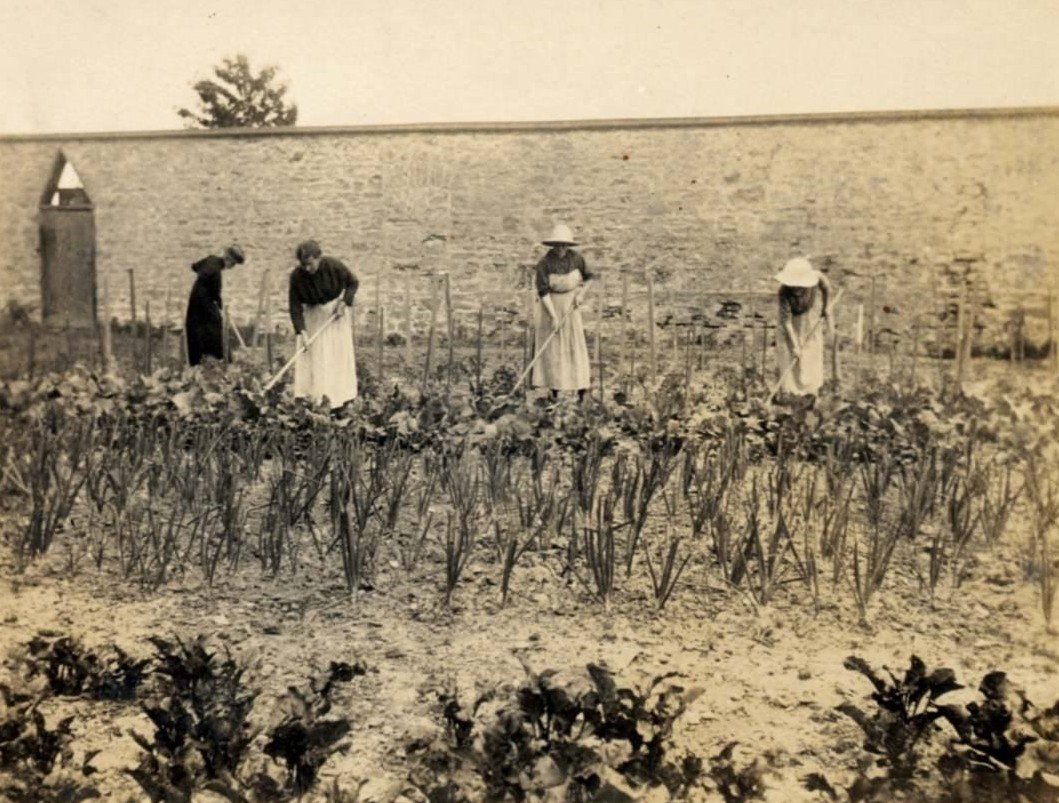
Alan Vernon Young 1926 – 1943
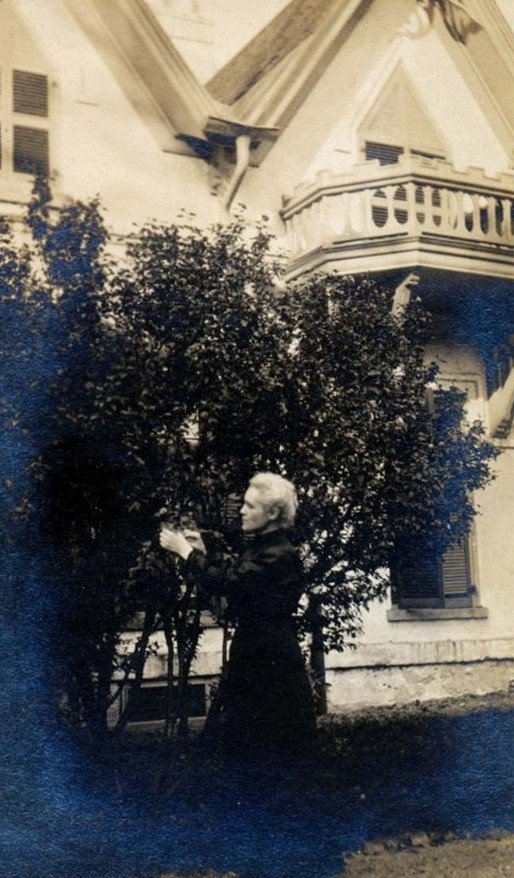
When Alan Vernon Young purchased Auchmar in 1926, the estate entered the hands of another influential Hamilton family. Young was a prominent textile manufacturer and businessman who became president of the Hamilton Cotton Company following the death of his father in the sinking of the Lusitania. His success in Hamilton's industrial sphere was reflected by Auchmar, where the grand estate would once again be host to influential Hamiltonians.
The spacious grounds offered room for family life and recreation, particularly the family's interest in horses and riding. The Youngs continued Auchmar's long tradition as a place of hospitality, entertaining family, friends and members of Hamilton's business and social community.
The Youngs' years at Auchmar spanned the prosperity of the 1920s, the hardships of the Great Depression, and the approach of the Second World War. In 1943, the family made the decision to lease Auchmar to the Royal Canadian Air Force, setting the estate in a new direction.
The Royal Canadian Air Force 1943 – 1945
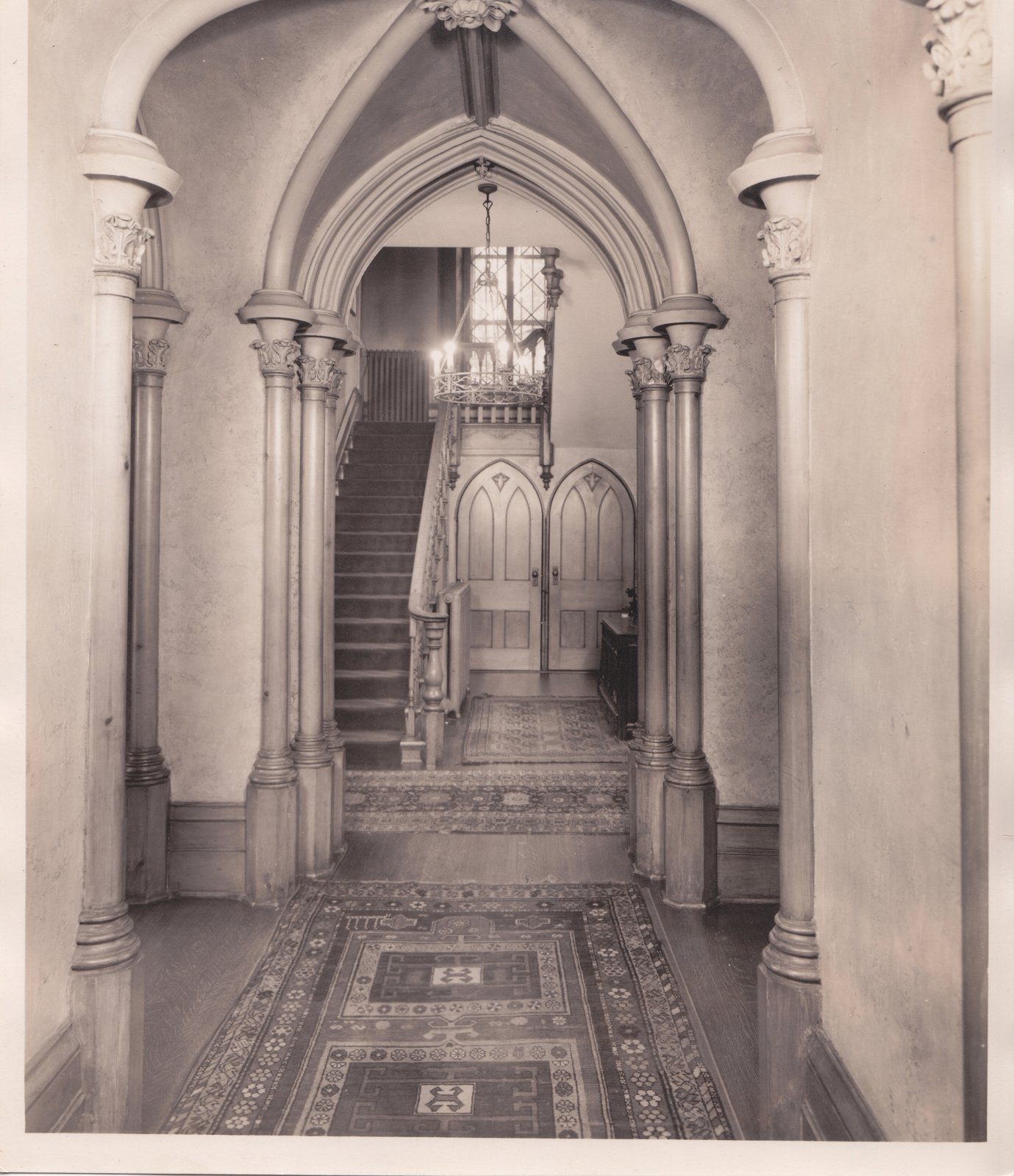
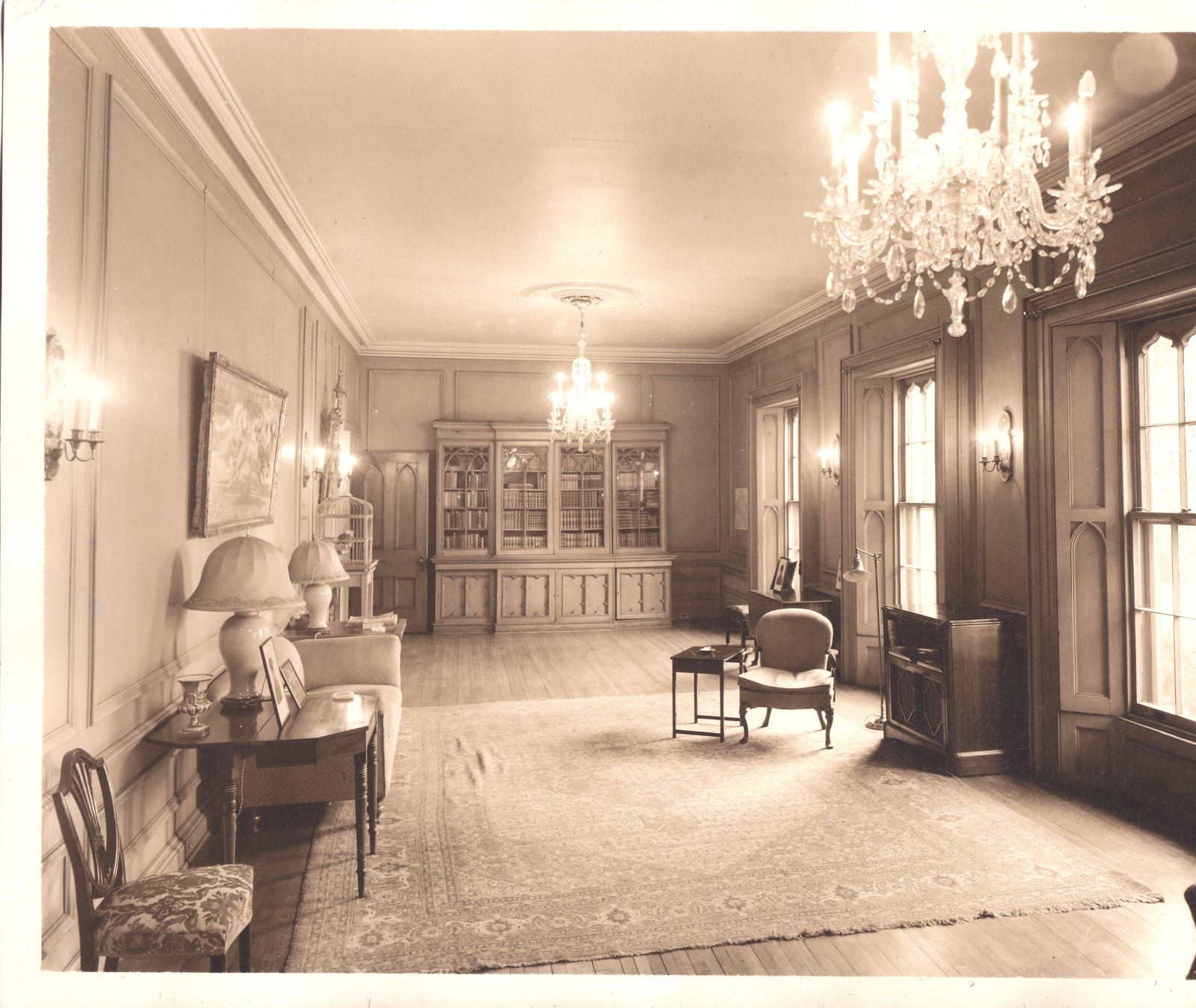
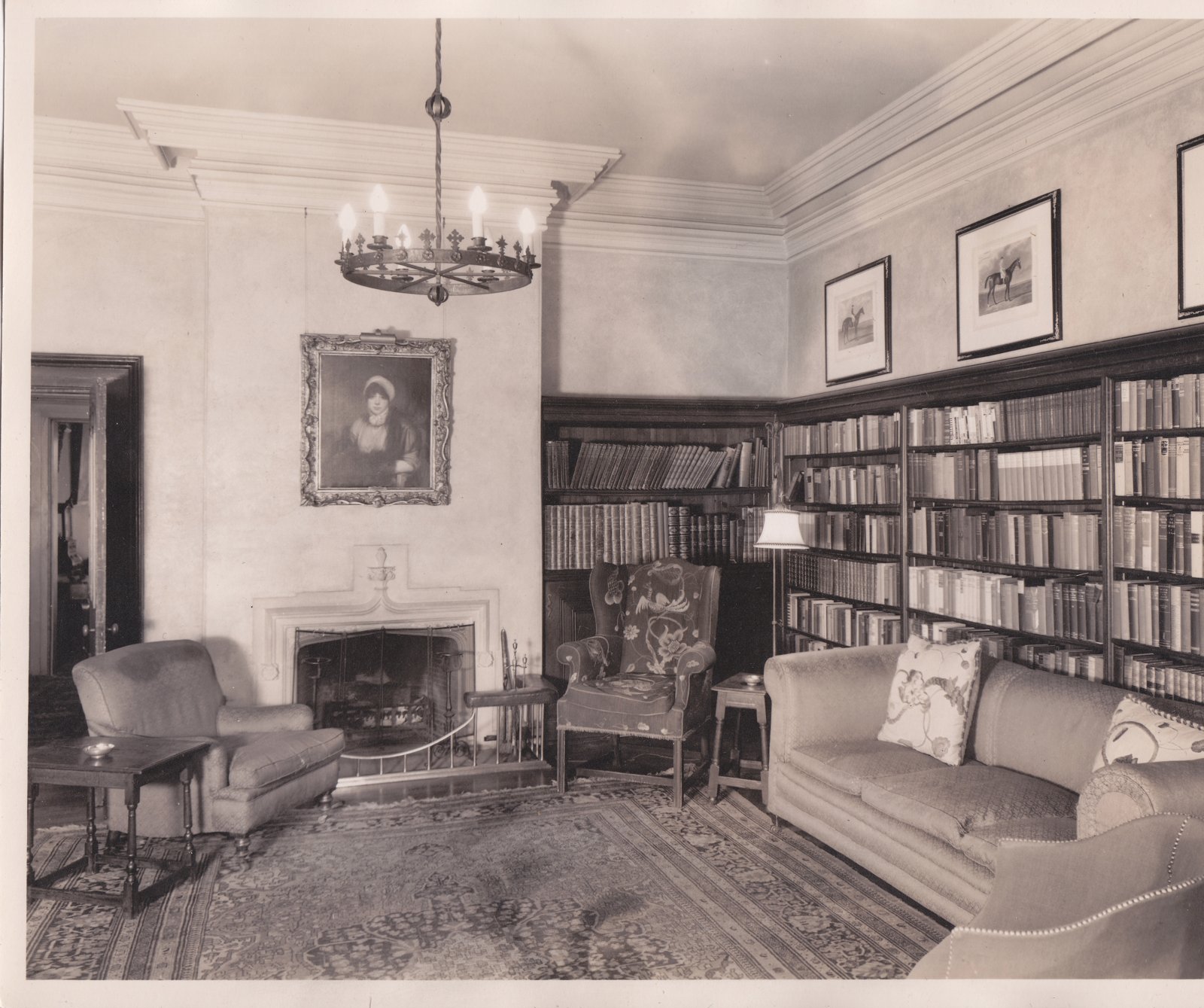
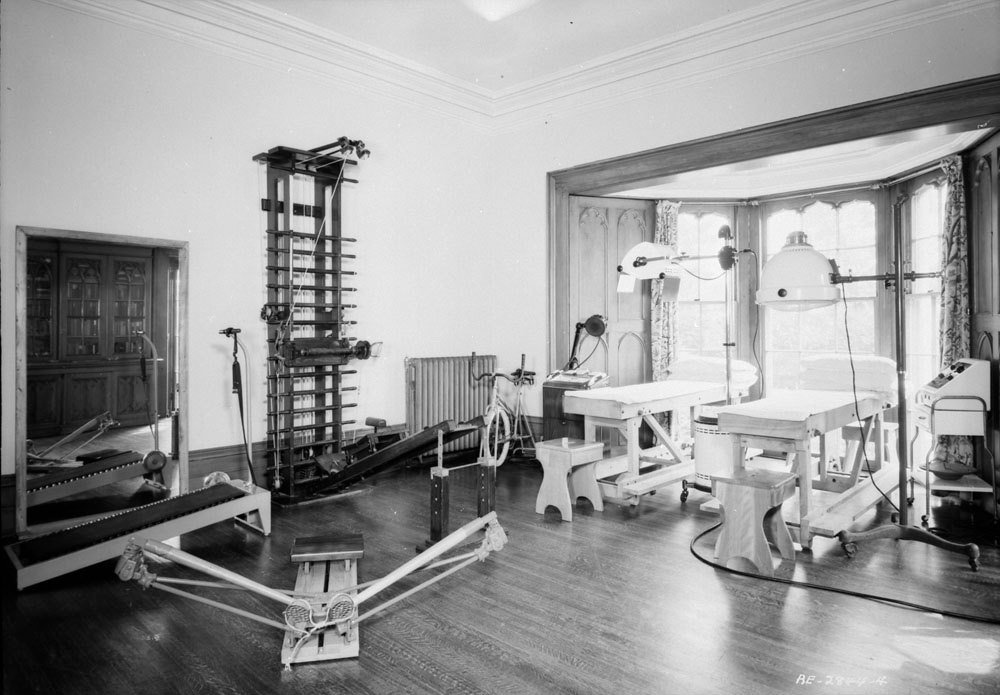
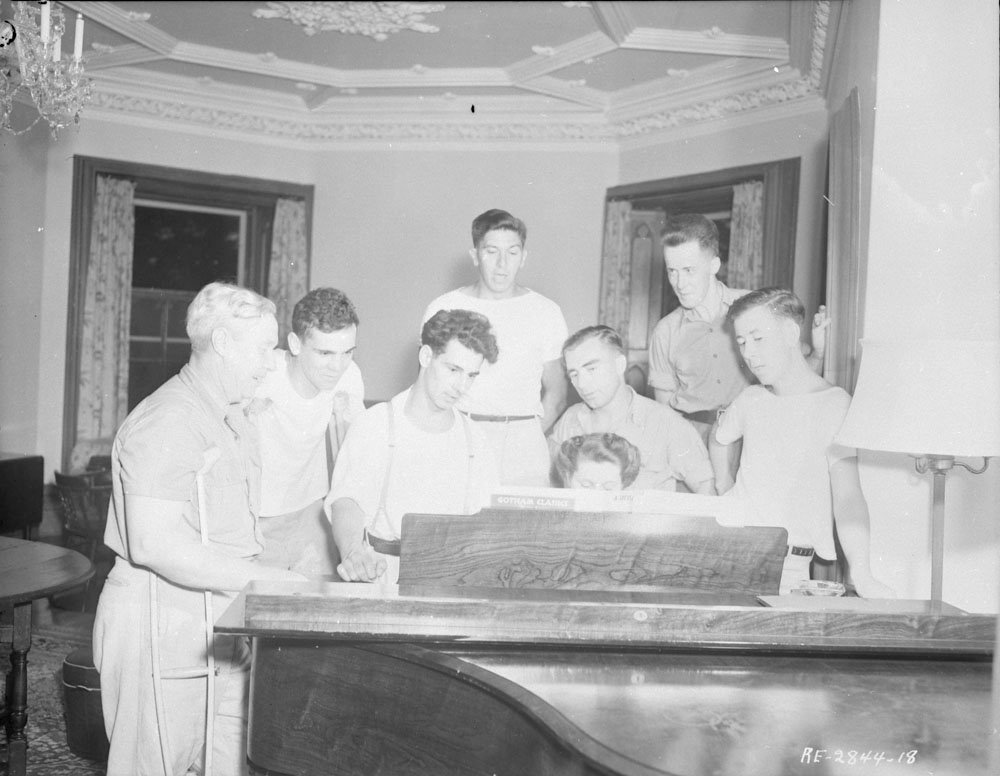
In 1943, the Youngs offered Auchmar and its grounds to the Royal Canadian Air Force, giving the estate a new title as Convalescent Hospital No. 2, Young Division. The manor was adapted for medical care, while the surrounding grounds became part of the patients' recovery, providing rehabilitation for service personnel recovering from wartime injuries. The grounds supported recreation, including sports and a nine-hole golf course, while the house became part of Hamilton's wartime medical infrastructure, chiefly for airmen recovering from burns.
For nearly two years, Auchmar's rooms and grounds became a place of recovery for members of the RCAF. After the war, the Youngs initially considered returning home, but the extensive alterations and wear convinced them to sell.
The Sisters of Social Service 1945 – 1999
In 1945, Auchmar entered its longest period of ownership when the Sisters of Social Service purchased the estate. Invited to Hamilton by Bishop Joseph Ryan, the Sisters, who had originally come to Canada from Hungary, were looking for a permanent base for their work and for a retreat house within the Diocese. In 1946, they opened Auchmar as Mount Cenacle Retreat House.
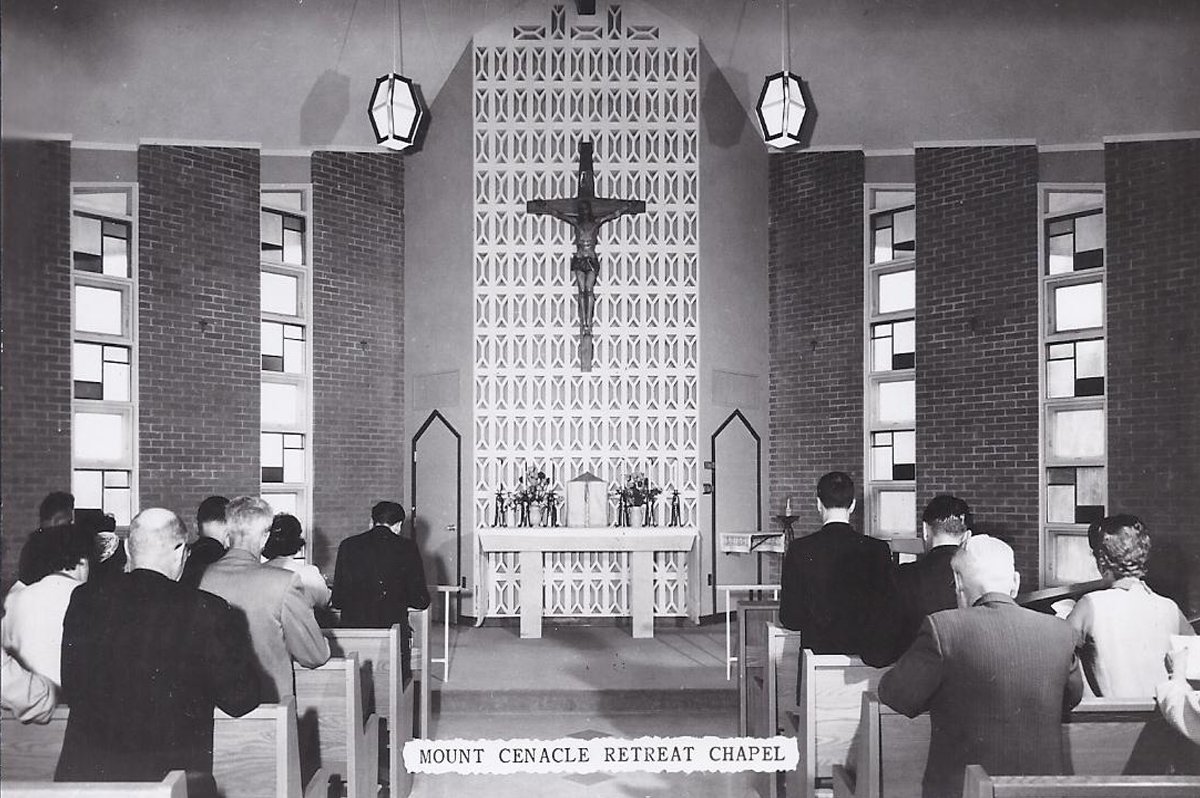
The Sisters transformed the estate once again. Mount Cenacle became a place of prayer, retreat and community. The Sisters hosted retreats for parish groups, families, students, teachers, nurses, priests and numerous other communities.
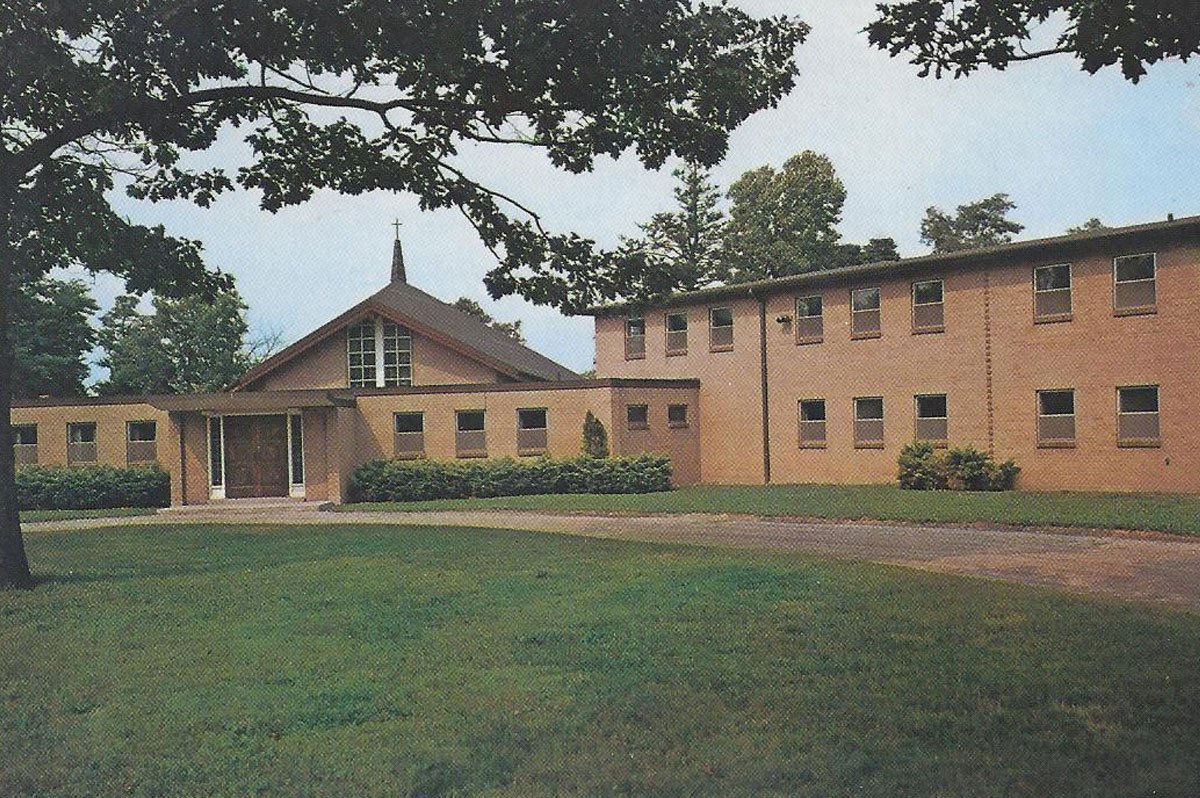
As their needs grew, so did Auchmar. In the early 1960s, the Sisters constructed a new wing containing a chapel, dormitories, dining facilities and other spaces necessary to operate a larger retreat centre. The expanded complex reflected the changing life of the estate while retaining the historic mansion at its core.
The Sisters remained at Auchmar for more than five decades. By the late 1990s, their numbers were declining and the Sisters decided to sell the estate. In 1999, Auchmar passed into private development, and soon after, into public ownership with the City of Hamilton.
Learn more about the Sisters' time at Auchmar and impact on the City through this video, part of the Stories of Migration and Belonging exhibition.
Explore Auchmar Estate
Prefer to open the tour in its own window? Launch the Auchmar Estate virtual tour.
The Friends of Auchmar
To learn more about the Auchmar community, please visit The Friends of Auchmar.
Doors Open Hamilton 2027
You can visit Auchmar on May 1 and 2, 2027 during Doors Open Hamilton. More details to come in 2027.